Korean Bros got 100,000 tteokbokki cups into Target. The trial is whether they stay
Utah Korean American founders put microwave tteokbokki into about 300 Targets in nine months. Getting the shelf was the sprint. Staying there is the test.
 Anika Rao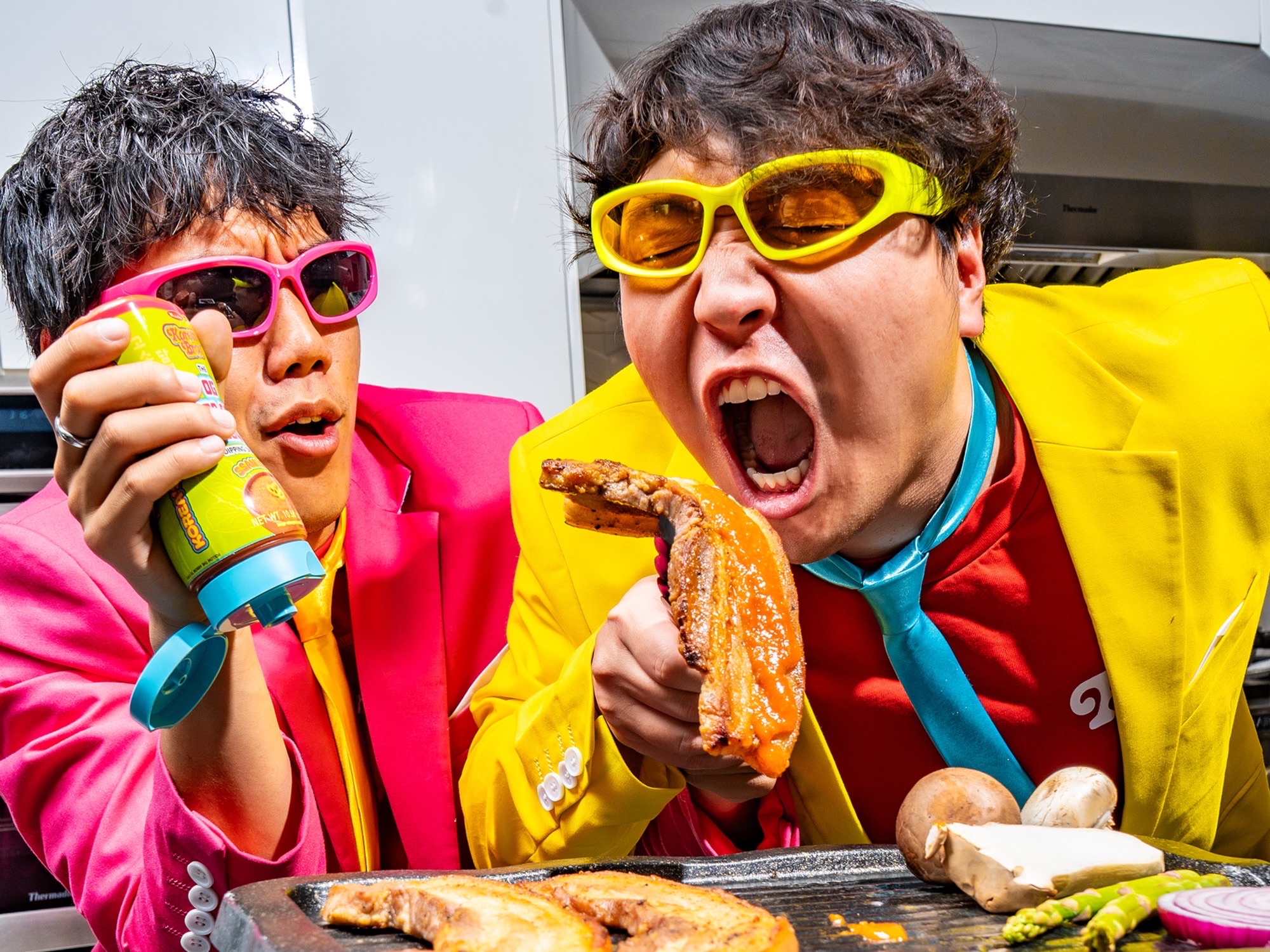
About 100,000 cups of Korean street food are sitting in Target stores right now.
Korean Bros, a Utah packaged-food company founded by Korean American partners, says it reached roughly 300 Target locations in nine months and spent more than $200,000 on the push. That includes a rose tteokbokki flavor made only for the chain after Target asked them to move fast.
Co-founder James Seo does not call the shelf a finish line. Target, he has said, wants to see whether shoppers actually buy the cups before it expands. Getting in is one milestone. Staying is another.
The cup that translates the aisle
Tteokbokki is everyday Korean street food: thick, chewy rice cakes in a sticky sauce. Korean Bros sells original, cheese, and spicy cheese versions, and markets the cheese cup as Korean mac and cheese. The packaging is bright yellow, pink, and cyan on purpose. It looks nothing like the muted import bags that still fill a lot of Asian grocery bays.
That color is a shopping split. H Mart, the Korean American supermarket chain, still carries the rice, gochujang, and frozen cakes many families already know how to cook. Target is where someone who has never said "tteokbokki" out loud might pick up a cup because the label already did the translation.
Seo grew up in Sandy, a Salt Lake City suburb that remains mostly white. He has said he was often the only Asian kid around, embarrassed to invite friends over because of how his mother's cooking smelled, and embarrassed when his parents spoke Korean at home. The brand he is building now asks strangers to walk toward the food he once tried to hide.
Creator chase, factory receipts
His partner, Dok Kwon, immigrated from Korea as a child and spent years at Goldman Sachs and Citadel before helping scale Cupbop, the Salt Lake City Korean barbecue-in-a-cup chain, across several states. At Cupbop they learned how Korean food travels when the customer did not grow up eating it. Korean Bros is the same idea in a microwaveable cup.
The company launched under its current name in January 2026. Product work started earlier. In mid-2024, Kwon and his partners put a nearly unbranded prototype on Amazon. Within a few months, Kwon says, it became the bestseller in its category ahead of cups from Bibigo, Nongshim, and Samyang Foods. That ranking comes from the founders, not an audited grocery report. It was still enough confidence to put a real brand on the pouch and start calling national buyers.
Seo brought the public campaign style he used as a Utah Valley University creator, when he chased and eventually landed a collaboration with YouTuber MrBeast. This time the quest was grocery. Utah Business reported that his "Walmart pls collab" videos drew about half a billion views across Instagram and TikTok. While those clips ran, the team also messaged Walmart buyers on LinkedIn and later demoed the product at Walmart headquarters in Bentonville, Arkansas.
Social attention can open a meeting. It cannot protect a product once a buyer redraws the aisle. Kwon has watched influencer drinks surge and fade. He argues Korean Bros has to be a product people reorder, with marketing around it, not a camera stunt attached to a sauce packet. On the rice cakes themselves, the team traveled to factories in Korea until they found a plant that beats the dough three times so the cakes stay soft after reheating. The process costs more. They decided the texture was worth putting their names on.
Utah as the real test market
Utah is part of the strategy, not a hometown accident. Asians make up about 3 percent of the state, and Korean residents number around eleven thousand. Kwon's argument is simple: if the cups sell among ordinary American grocery traffic in Utah, they can sell in North Dakota, not only in Koreatown. Los Angeles and New York can make a launch look bigger than it is. A quieter market shows more quickly whether anyone comes back for a second cup.
The broader category is helping them. Circana, which tracks grocery scanner data, told CNBC in May 2026 that sales of Asian grocery items rose from $1.57 billion in 2021 to more than $2.31 billion, with the wider ethnic aisle near $8.8 billion. Our mainstream grocery aisle note tracked the same shift: chains want one-stop shoppers, and Asian pantry items are no longer novelty SKUs.
Buyers still remove what does not move. Asian American packaged-food brands have lived that pattern. Names sprint into Target and Whole Foods, then thin out after an acquisition or a quiet reset. A bright first week and a lasting place in the aisle are not the same thing.
Seo says Korean Bros is not trying to dominate the Asian aisle. The company wants to make the bay feel less intimidating, so a shopper who would normally skip it stops and looks. If that works, quieter brands behind the bright cups get an easier path too.
For Korean American families who already cook this food, the smaller win may matter more: the cup sits near the mac and cheese, and nobody has to explain the word at checkout.
Our take: treat the Target launch as a culture test, not a victory lap. Soft power here is whether the hook empties a week later. Walmart remains unfinished business in Seo's own updates, even as September trade coverage described broader retail commitments. Either way, the next assortment decision will weigh what left the store more heavily than how many views got the brand through the door.
If you have a Target nearby, look for the cup. Then look again next week.