Goldscene Desk briefing: spring 2026
A spring briefing on Asian entertainment and luxury: Lisa's Vegas residency milestone, BTS FESTA logistics, prestige beauty retail expansion, luxury ambassador stacking, and the streaming stories diaspora group chats kept passing around.
 The Goldscene Desk
Spring 2026 did not move in one direction. It moved in stacks: live music claiming U.S. infrastructure, luxury houses doubling down on Asian faces, beauty retail going physical, and streaming stories that traveled through group chats faster than any one platform could own them.
This briefing pulls the through-lines from Goldscene's spring coverage. Each section links to the deeper piece. The goal is connection, not recap for its own sake.
Music and live scale
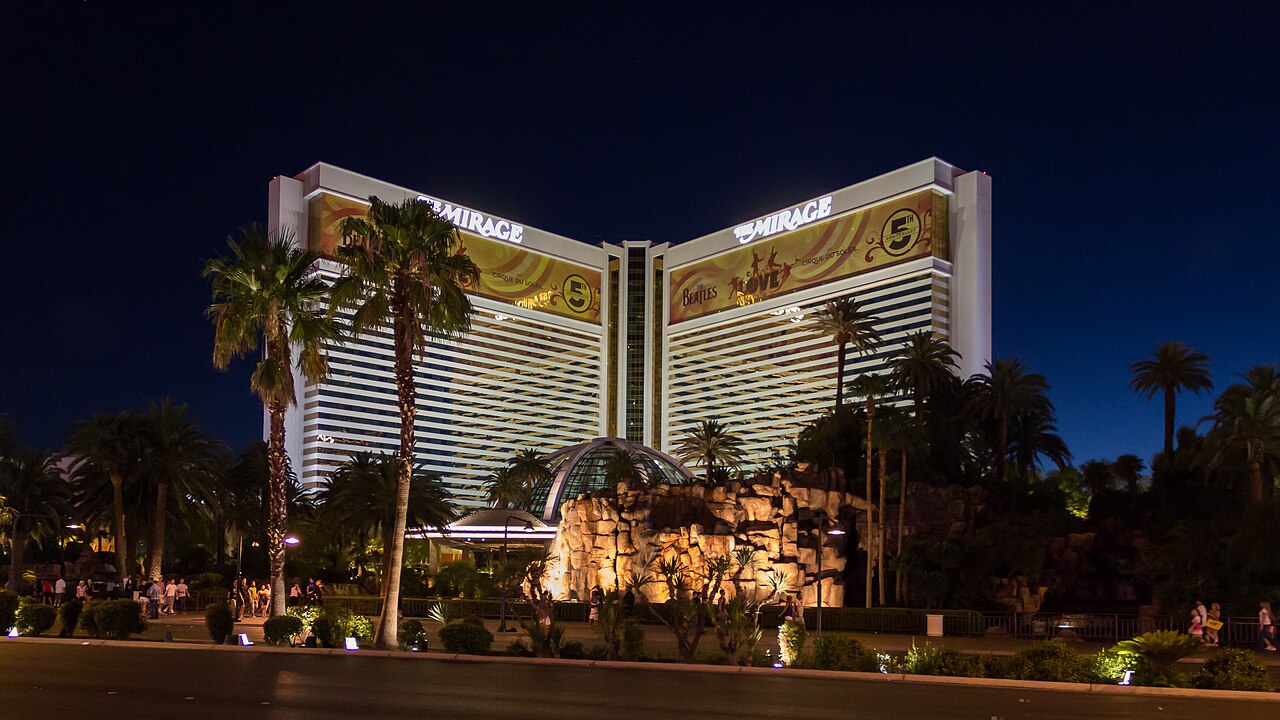
The quarter's loudest live-music signal was Lisa's Las Vegas residency, a first for a K-pop artist in the headline Strip format usually reserved for legacy pop acts. Residencies measure something arena tours do not: venue confidence across multiple dates, bundled tourism marketing, and a bet that one name can hold a room in a city diaspora travelers pass through constantly.
Lisa's solo arc already stretched beyond the BLACKPINK umbrella. A Vegas anchor adds mainstream live-entertainment legitimacy that festival slots alone cannot confer. For North American fans, it also reframes K-pop from import genre to Strip infrastructure, the same category Britney, Lady Gaga, and Adele occupied when their names became city marketing.
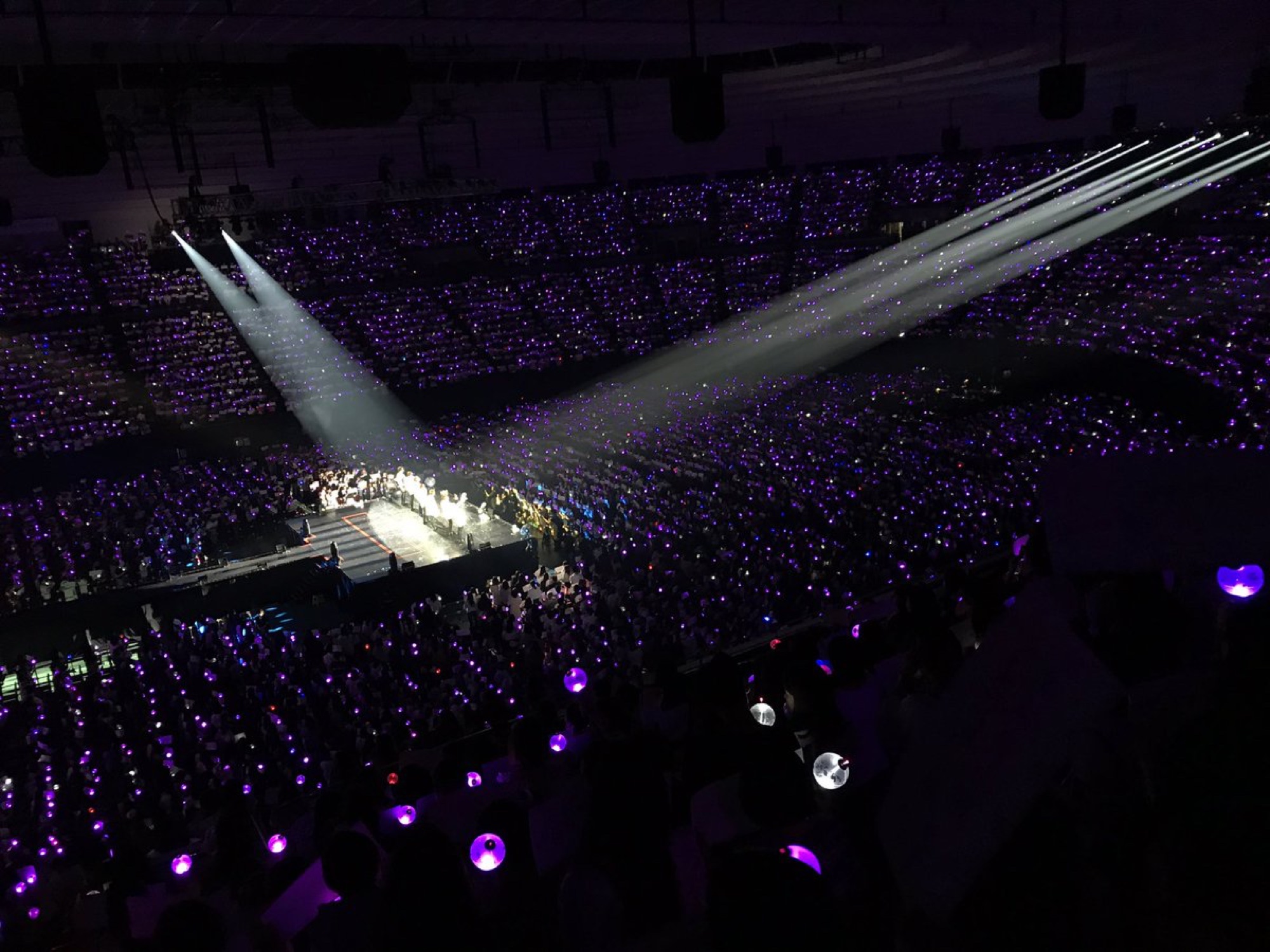
Between releases, fandom logistics stayed the real engine. Organized fan communities still function like distribution partners: streaming windows aligned to Korea Standard Time, translation accounts posting within minutes, airport photos turned into micro-campaigns before official press drops. Labels matter. Agencies matter. Initial velocity often comes from people who are not on payroll.
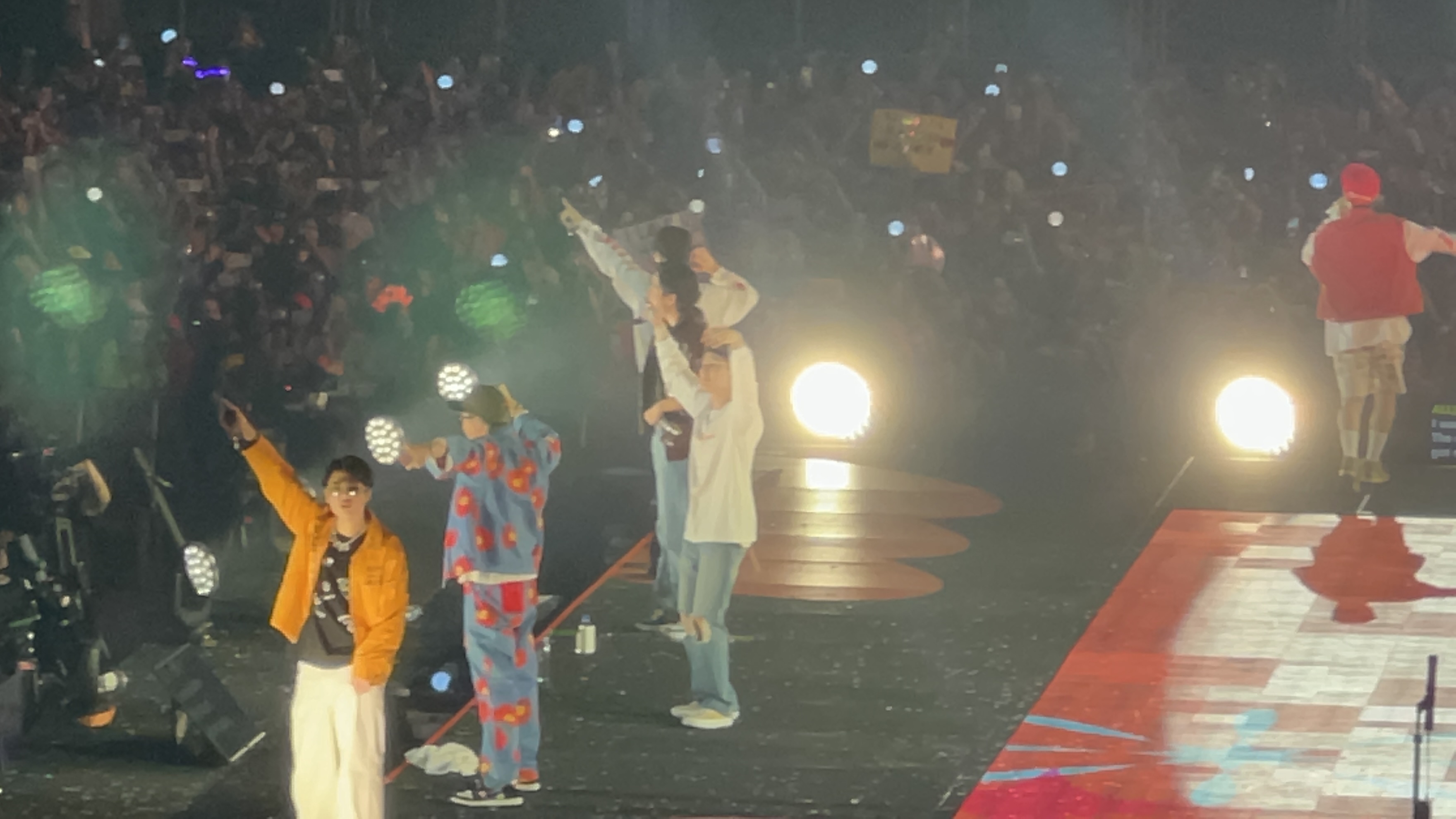
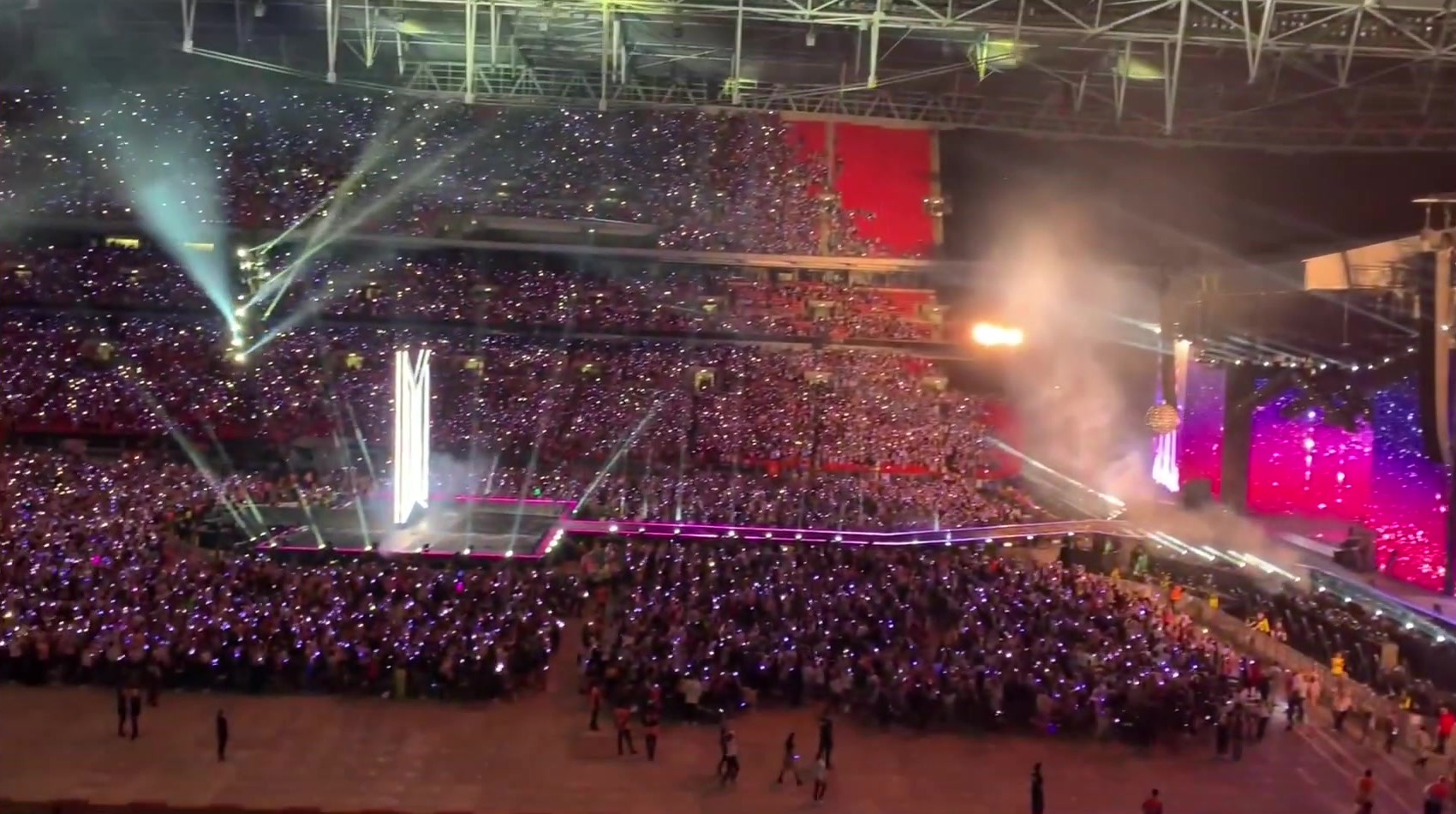
BTS closed the spring calendar the way BTS always does: by treating catalog drops as shared ritual. Come Over hit global streaming June 12 as the centerpiece of FESTA 2026, after living vinyl-only on the ARIRANG deluxe edition. The group paired the release with a Busan anniversary weekend (June 13 through 15) built around fan events rather than a full-group comeback. Swim was still charting in its twelfth Hot 100 week while that push rolled out, which is what coordinated ARMY infrastructure looks like when it works.
Chart noise elsewhere proved the same point from a different angle. Katseye's "Pinky Up" logged an eighth cumulative Hot 100 week in June without a classic K-pop comeback machine behind it. Mid-chart persistence reads differently from debut hype. It tells you ordinary repeat listeners are still there.
The fame machine
Mina Park's feature on the new Asian fame machine framed the quarter's structural idea: global celebrity now builds from Asian centers outward, not the reverse. The old crossover script that required a Hollywood stamp before calling someone international feels antique when Seoul stadium scale, Coachella moments, and Tiffany events in New York can share one promotional week.
Three engine parts kept showing up across beats:
Multilingual reach. Stars who move between languages without losing personality travel faster. The multilingual star rise is a category now, not a biography.
Fan distribution. Fandom as infrastructure explains why certain songs seem to arrive everywhere at once even when radio never touched them.
Visual discipline. Airport style as the new red carpet is not a cute trend line. It is how soft-status luxury gets taught before a campaign officially launches.
Diaspora viewers remain the bridge audience in that system: translating debuts for cousins in Toronto, clipping variety-show moments for friends in Chicago, deciding which actor becomes "everyone's pick" before a drama officially imports.
Luxury alignment
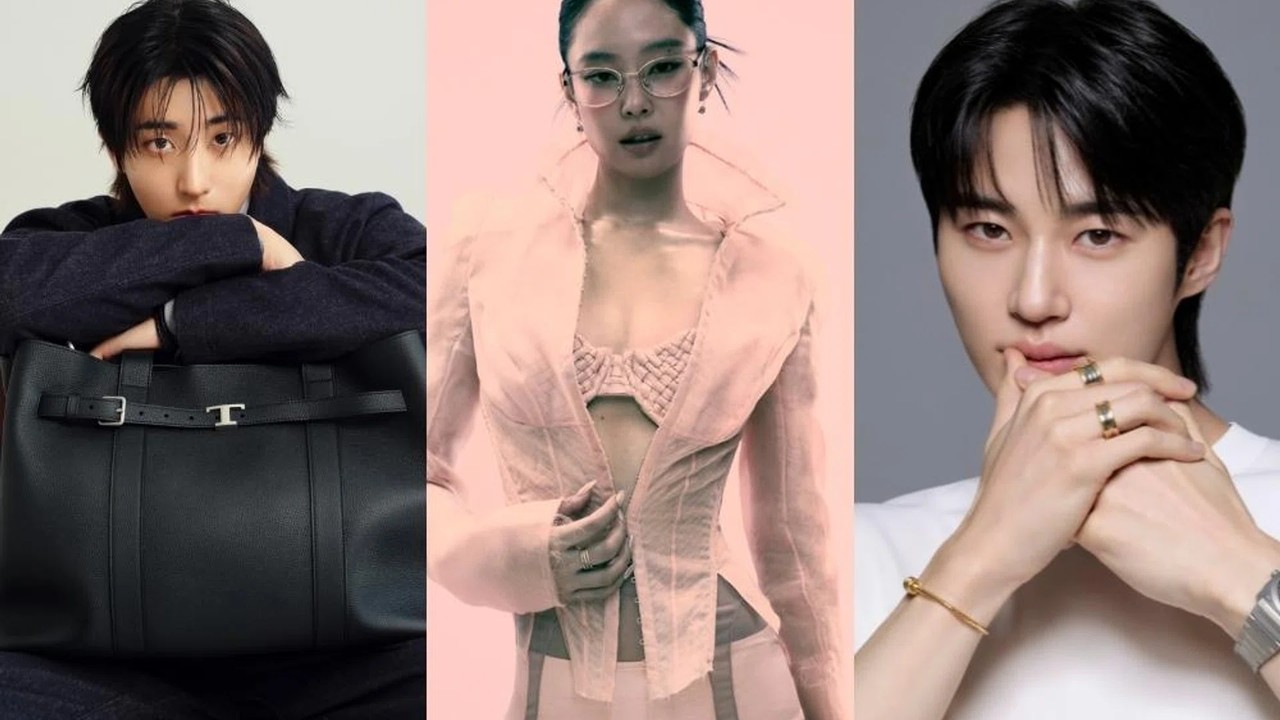
Luxury spring was less about one announcement than about roster depth. Harper's Bazaar Singapore's A-Z map of Korean brand ambassadors, published May 18, reads like a ledger: Jennie across Chanel, Hera, and Ray-Ban; Jimin with Dior and Tiffany & Co.; Jung Kook stacking Calvin Klein, Chanel Beauty, and Hublot; LE SSERAFIM at Louis Vuitton; Stray Kids spread across Tommy Hilfiger, Fendi, Cartier, and Bottega Veneta. Drama names fill the other half of the alphabet, from Park Bo Gum at Celine and Omega to newer 2024–2026 appointments like Byeon Woo Seok at Bvlgari and Prada.
Luxury brands and the Asian celebrity economy explains why that overlap is strategic, not decorative. Houses now recruit from the same talent pools drama fans and music stans already follow. One person can anchor fragrance, ready-to-wear, and a holiday campaign without brands worrying the audience will not translate abroad.
South Asia ran parallel. JW Marriott naming Aishwarya Rai Bachchan a global ambassador in May treated South Asian glamour as hospitality infrastructure, not a regional tile. Weeks later, Priyanka Chopra Jonas joined Rolex while remaining a Bulgari jewelry ambassador since 2021, a rare category split luxury groups usually refuse to share.
Calendar logic mattered too. Diwali on the global luxury calendar showed festival season spending touching jewelry, beauty, fashion, and hotel ballrooms in one breath. Watch culture and soft status language tracked how Cartier Tanks at airport arrivals teach wrist codes faster than gala close-ups. Felix's Hanbok Wave appointment in June extended the same visibility fight into Southeast Asian craft.
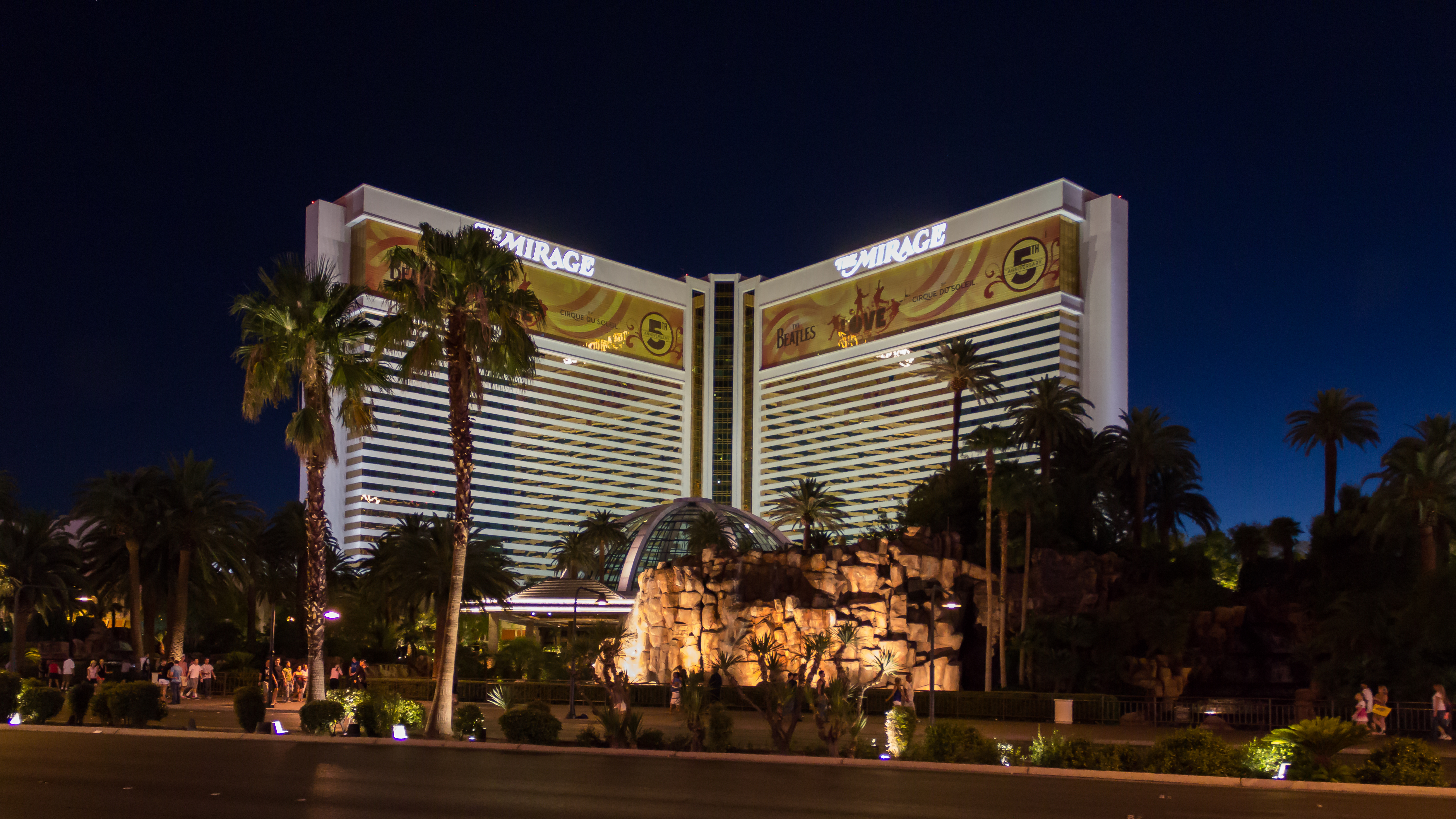
Photo: Dietmar Rabich / Wikimedia Commons (CC BY-SA 4.0)
The Strip photo is not random decoration. Lisa's residency news situates K-pop inside this entertainment economy: tourism packaging, repeat-date confidence, and a city that sells spectacle as infrastructure. Luxury and live music converged on the same principle spring: Asian stars are not guest features in someone else's system anymore. They anchor it.
Beauty retail merge
Beauty spring was where Seoul's aesthetic stopped being import-only and started showing up in North American real estate.
Seoul runs the beauty moodboard still sets the visual codes: glass-skin finish, gradient lips, brows with soft structure, hydration over matte coverage. Flagship districts like Myeongdong update displays fast enough that diaspora visitors feel the gap between trip haul and home shelf within a single walk.
Prestige counter routines absorbed the step logic next. Sephora and department stores still stock heritage French and American names, but the storytelling increasingly mirrors cleanse-treat-layer-protect sequences diaspora shoppers learned from pharmacy runs abroad. SPF stopped living only near checkout. Essences appeared in luxury price tiers.
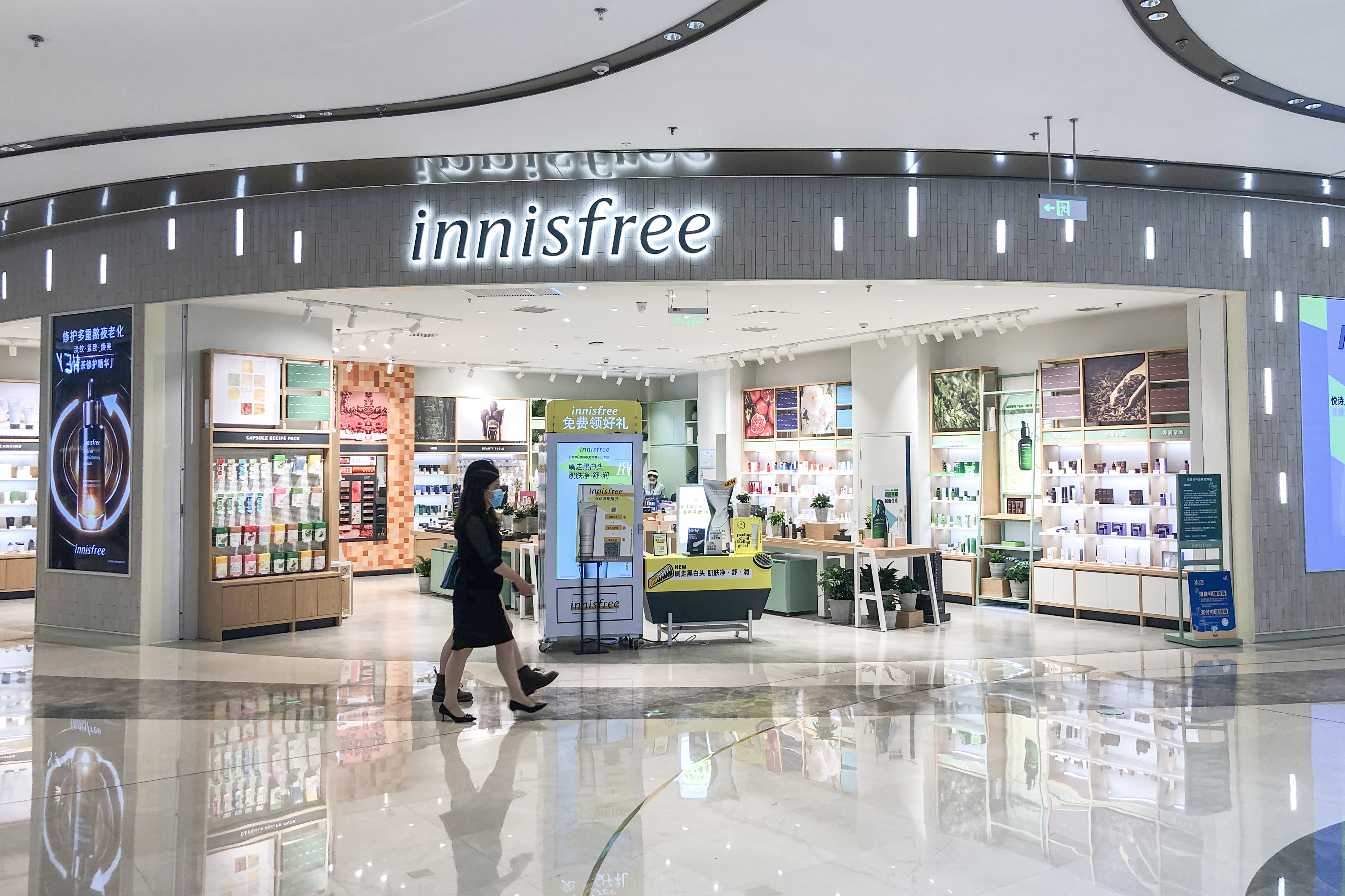
Then the quarter got physical. Olive Young opened its first U.S. store in Pasadena on the same week this briefing first published, turning a familiar overseas haul destination into a Southern California errand. The export numbers explain why that timing makes sense: the U.S. overtook China as the top market for Korean cosmetics, with American K-beauty imports rising from $841 million in 2021 to $2.2 billion in 2025. Shelf space follows export priority.
Medicube's skincare test, Sephora's Kitsilano format experiments in Vancouver, and creator-led skin posts from touring idols all pointed the same direction. Beauty was no longer a parallel track to entertainment. It was the same career lane, photographed in marble aisles instead of airport terminals.
Streaming social life
Spring streaming belonged to stories people recommended without spoiling, then argued about in threads anyway.
Beef stayed in rotation for reasons beyond road-rage plot mechanics. HuffPost's cast and creator conversations reframed the Netflix series as a Korean cultural conversation, not only a thriller hook, which matters for diaspora viewers weighing authenticity against hype.
Deli Boys picked up institutional validation when the Philadelphia Asian American Film Foundation gave the Hulu series its AANHPI Storyteller Icon Award at its inaugural benefit in June. That read as place-specific pride for Philadelphia's growing AAPI community, not a generic diversity nod.
Romance and reality supplied lighter entry points. Asian rom-coms in their glossy era leaned into clean cinematography and emotional clarity that subtitles carry easily. Asian reality TV's gentler moment offered an alternative rhythm to conflict-first American formats, with names like Choi Mina Sue and Lee Sung-hun crossing over through chemistry rather than chaos editing.
Weekend watchlists turned those picks into habit. So did prestige arrivals like The Season on Hulu and Drishyam 3 on Prime Video as spring turned toward summer. The through-line was social viewing: diaspora audiences passing titles around because the story felt specific enough to argue about and accessible enough to finish in a weekend.
What to watch next
Spring's stack suggests summer will keep rewarding overlap: artists who tour, act, sell beauty, and photograph well in transit without looking rushed between lanes. The names change weekly. The structure does not.
If you want one thread to follow, track infrastructure: Vegas residencies, Olive Young doors, ambassador ledgers, FESTA calendars, and the group chats that translate all of it before Monday morning.